Oil Change in Parker, CO
Oil Change Services Using Premium Engine Oil and Filters
Why Regular Oil Changes Keep Your Engine Running Smoothly
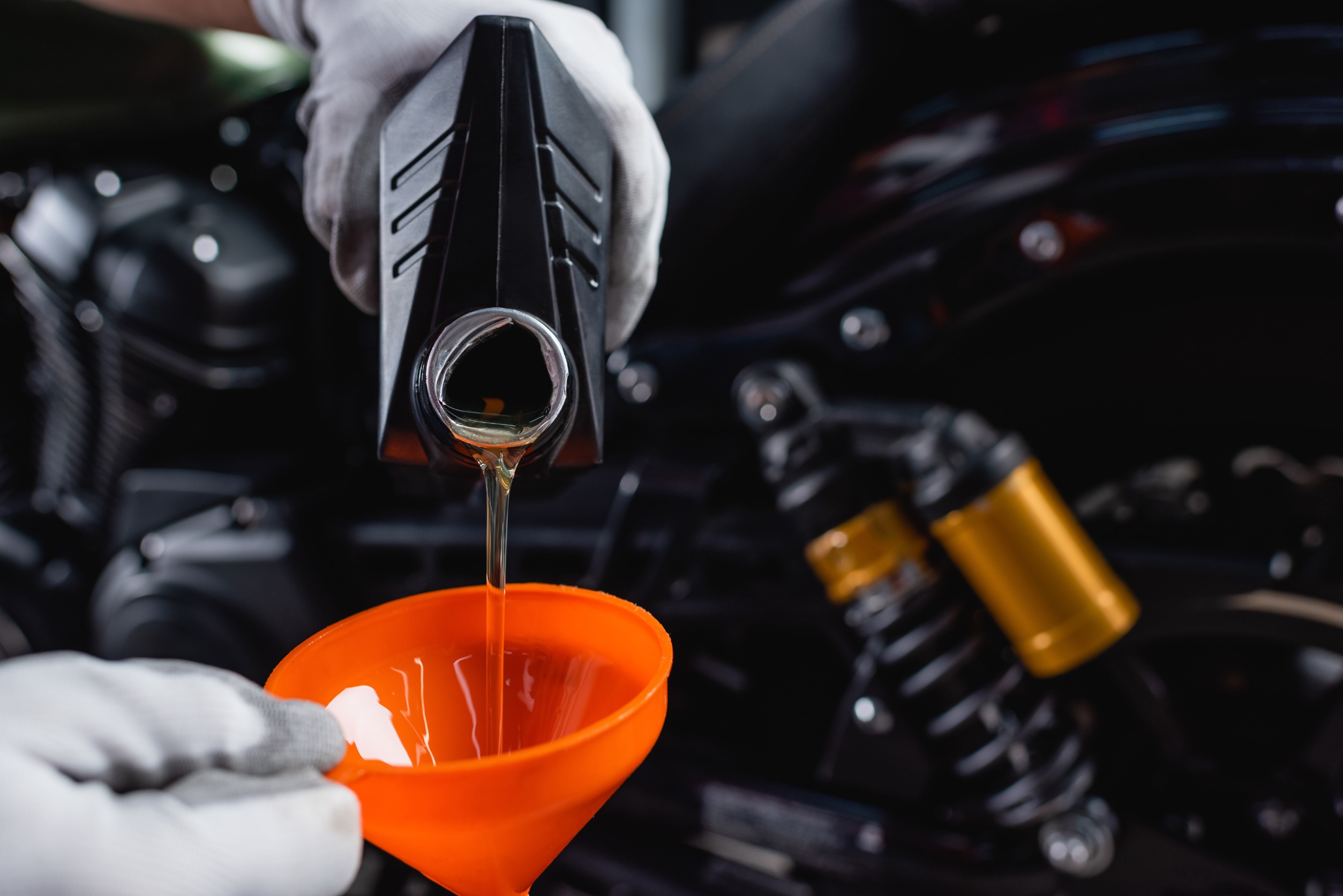
Your engine depends on clean oil to lubricate moving parts, reduce friction, and maintain optimal performance. At Greenwood Automotive Repair and Tire of Parker LLC we understand that regular oil changes form the foundation of preventive maintenance for your vehicle. Our ASE-certified technicians use high-quality engine oil and premium oil filters to ensure your engine receives the protection it deserves. Whether you drive a compact car or a full-size truck, we stock a range of oil grades, including 5W-30, 0W-20, and other manufacturer-specified viscosities to meet your vehicle’s exact requirements. Located at 18700 Longs Way, Parker, CO 80134, we provide comprehensive oil change services that go beyond simply draining old oil and installing a new oil filter. Our team performs a thorough inspection of your oil pan, drain plug, and surrounding components to identify potential issues before they become costly repairs. You can reach us at (303) 805-8070 to schedule your next oil change appointment.
Choosing Between Synthetic and Conventional Oil Options
The choice between synthetic and conventional oil significantly impacts your engine’s longevity and performance. Synthetic oil offers superior protection against temperature extremes, maintains viscosity more consistently, and extends oil change intervals compared to conventional alternatives. Our technicians help you determine the best oil type based on your driving habits, vehicle age, and manufacturer recommendations. Many newer vehicles require full synthetic oil to maintain warranty coverage. Older vehicles may perform well with conventional oil or a synthetic blend. During each oil change service, we check your oil level dipstick and explain how to monitor the oil condition between services. We also discuss appropriate oil change intervals based on your specific driving conditions, whether you primarily drive in stop-and-go traffic or highway conditions. Understanding these factors helps you make informed decisions about your vehicle’s maintenance schedule while avoiding unnecessary expenses.
Warning Signs Your Vehicle Needs an Oil Change
The oil change reminder light on your dashboard provides the most obvious indication. However, other signs require your attention as well. Dark or dirty oil visible on your dipstick suggests contamination that reduces lubrication effectiveness, while an engine running louder than normal may indicate insufficient oil protection. Tracking mileage since your last oil change helps maintain proper service intervals, typically 3,000 to 10,000 miles, depending on oil type and driving conditions. An oil pressure warning light demands immediate attention, as it indicates potentially dangerous low oil pressure that could cause severe engine damage. At Greenwood Automotive Repair and Tire of Parker LLC, we provide digital inspection reports that document your vehicle’s current oil condition and recommend appropriate service intervals. Our multi-point vehicle inspection during each oil change includes fluid top-off services, tire pressure checks, and basic maintenance inspections to address potential issues early.
Oil Change Questions and Answers
- How Often Should You Change Your Oil?
- Most modern vehicles require an oil change every 5,000 to 7,500 miles, though this varies significantly based on your driving conditions and vehicle type. At Greenwood Automotive Repair and Tire of Parker LLC, our ASE-certified technicians recommend following your manufacturer’s specific guidelines while considering your unique driving patterns.
- What Type of Oil Is Best for My Vehicle?
- The right oil type depends on your vehicle’s age, mileage, and manufacturer specifications. Conventional oil works well for newer vehicles with low mileage and simple engine designs, while full synthetic oil offers superior protection for high-performance engines and extreme driving conditions.
- What Happens if You Skip Oil Changes?
- Delaying oil changes can lead to expensive engine damage that far exceeds the cost of regular maintenance. Old oil breaks down and becomes thick, losing its ability to lubricate engine components effectively. This causes increased friction, overheating, and eventual engine failure. Dirty oil also accumulates debris and contaminants that can clog oil passages and damage sensitive engine parts.
- How Long Does an Oil Change Take?
- A standard oil change typically takes 30 to 45 minutes when performed by professional technicians using proper equipment. However, the exact time can vary depending on your vehicle’s design, oil capacity, and whether additional services are needed. Our team works efficiently during our Mon – Fri: 8AM – 5:30PM schedule to minimize your wait time while maintaining thorough service standards.
- Should You Change the Oil Filter Every Time?
- Yes, replacing the oil filter during every oil change is essential for maintaining clean oil circulation throughout your engine. The oil filter captures contaminants, debris, and particles that would otherwise circulate through your engine’s moving parts. A clogged or dirty filter restricts oil flow and allows harmful particles to damage engine components.
- Can You Drive Immediately After an Oil Change?
- You can drive immediately after an oil change, but it’s wise to let your engine run for a few minutes before driving to ensure proper oil circulation. Our technicians always check oil levels after the service and run the engine briefly to verify everything functions correctly. We recommend driving gently for the first few miles to allow the new oil to circulate completely through all engine passages.
- What Signs Indicate You Need an Oil Change?
- Several warning signs suggest your vehicle needs immediate oil service, including dark or gritty oil on the dipstick, unusual engine noises, or illuminated oil pressure warning lights. You might also notice decreased fuel efficiency, engine knocking sounds, or oil spots under your parked vehicle. Our diagnostic equipment can detect oil-related issues before they become major problems.